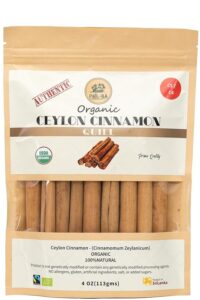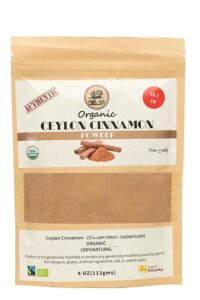

Good cinnamon doesn’t stay good forever — and how you store it matters more than most people realize. True Ceylon cinnamon is more delicate than the cassia most people grew up with, with lighter, more volatile aromatic oils that fade faster if it’s stored carelessly. None of this is about safety — stale spices aren’t dangerous — it’s about getting the flavor you actually paid for. Here’s how to keep it, and other spices, at their best.
The enemies of fresh spice: heat, light, air, and moisture
Spices don’t spoil the way fresh food does — there’s no mold or bacteria risk to worry about in a properly dried product. What happens instead is slower: the aromatic oils that carry flavor and scent gradually evaporate and break down. Four things speed that up:
- Heat — speeds up the breakdown of aromatic compounds. A spice rack next to the stove is one of the worst places to keep spices, even though it’s the most convenient.
- Light — especially direct sunlight, degrades flavor compounds and fades color over time.
- Air — oxygen reacts with the same aromatic oils that give spices their flavor, which is why an airtight seal matters more than almost anything else.
- Moisture — can cause clumping in ground spices and, in enough quantity, create conditions for mold — keep lids tightly closed and hands dry when scooping.
How to store it properly
- Use an airtight container. The original packaging is fine if it seals well; a small glass jar with a tight lid works even better.
- Keep it cool, dark, and dry. A cabinet or drawer away from the stove, oven, and direct sunlight is ideal — not a shelf above the range.
- Keep whole quills whole until you need them. Whole cinnamon sticks hold their aromatic oils far longer than pre-ground powder, because less surface area is exposed to air. If you use cinnamon often, buying sticks and grinding what you need is the single best way to keep flavor at its peak.
- Don’t store it in the fridge. The temperature swings and condensation from repeatedly taking it in and out introduce moisture, which does more harm than good.
How long does it actually last?
Whole Ceylon cinnamon sticks, stored properly, generally hold good flavor for a long time — many sources suggest a year or more, sometimes considerably longer for whole quills specifically. Ground cinnamon fades faster, since grinding exposes far more surface area to air. None of this is a hard safety cutoff; spices don’t become unsafe to eat as they age, they simply lose potency and become milder and less aromatic over time.
A simple freshness test: break or crush a small piece and smell it. If the aroma is faint compared to when you opened it, it’s past its best — still safe, just not worth using as the star flavor in a dish anymore.
Why this matters more for Ceylon cinnamon than cassia
Ceylon cinnamon’s flavor comes from lighter, more delicate aromatic compounds than cassia’s — part of why it tastes more subtle and complex rather than one-note hot. That same delicacy means it’s somewhat more sensitive to poor storage than the thicker, harder cassia sticks sold as generic “cinnamon.” If you’ve invested in real Ceylon cinnamon (see our guide to C5 and C4 grading, or why the species matters in the first place), storing it properly is how you make sure that difference actually reaches your cup of ginger cinnamon tea or your baking.
Frequently asked questions
Does cinnamon go bad or become unsafe to eat?
No — properly dried cinnamon doesn’t become unsafe with age the way fresh food can. It simply loses aromatic potency over time and tastes milder and less vibrant.
Should I keep cinnamon in the refrigerator or freezer?
Refrigeration isn’t recommended because of condensation and moisture exposure each time it’s opened. A cool, dark cabinet away from heat is the better choice for everyday storage.
Do whole cinnamon sticks really last longer than ground cinnamon?
Yes — less surface area is exposed to air and light in a whole stick, so the aromatic oils break down more slowly than in pre-ground powder.
How can I tell if my cinnamon has gone stale?
Smell is the best test. If the aroma is noticeably weaker than when you bought it, it’s past peak freshness — still fine to use, just milder.